
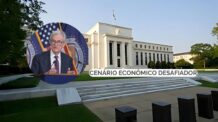
The Federal Reserve has officially cut interest rates by 0.25%, a move that signals its latest effort to balance economic growth with inflation concerns.
This decision is closely watched by investors, businesses, and households, as it directly influences borrowing costs, lending activity, and overall market sentiment.
Why Did the Fed Cut Rates?
The Federal Reserve typically lowers interest rates to stimulate economic activity.
By reducing the cost of borrowing, businesses can access cheaper credit to expand operations, and consumers may find loans for homes, cars, or credit cards more affordable.
This rate cut reflects the Fed’s response to a combination of factors, including:
- Slowing economic momentum in certain sectors.
- Inflation stabilization, suggesting consumer prices are no longer accelerating at dangerous levels.
- Global economic uncertainty, which can affect U.S. growth and financial stability.
Impact on Businesses and Consumers
A 0.25% reduction may seem minor, but its effects ripple across the economy:
- Consumers: Lower rates can reduce mortgage, auto loan, and credit card interest payments. This often boosts disposable income and encourages spending.
- Businesses: Companies may take advantage of cheaper credit to finance investments, hire workers, or expand production.
- Investors: Stock markets often react positively to rate cuts, while bond yields may decline, shifting capital into equities and risk assets.
Implications for the Housing Market
The housing sector is especially sensitive to interest rate changes. With this adjustment, mortgage rates could ease, making homeownership slightly more accessible.
However, strong demand in many housing markets may still keep prices elevated.
How Will Financial Markets React?
Wall Street generally views rate cuts as supportive of growth and bullish for stocks, particularly in interest-sensitive sectors like real estate, technology, and consumer discretionary.
However, markets will also be analyzing the Fed’s forward guidance—whether this cut is a one-time adjustment or the beginning of a longer easing cycle.
What’s Next?
The Fed’s path forward depends on upcoming inflation data, employment numbers, and global financial stability.
If inflation remains under control and growth slows further, additional cuts could follow.
On the other hand, if inflation picks up again, the Fed may pause or even reverse course.

Deixe um comentário